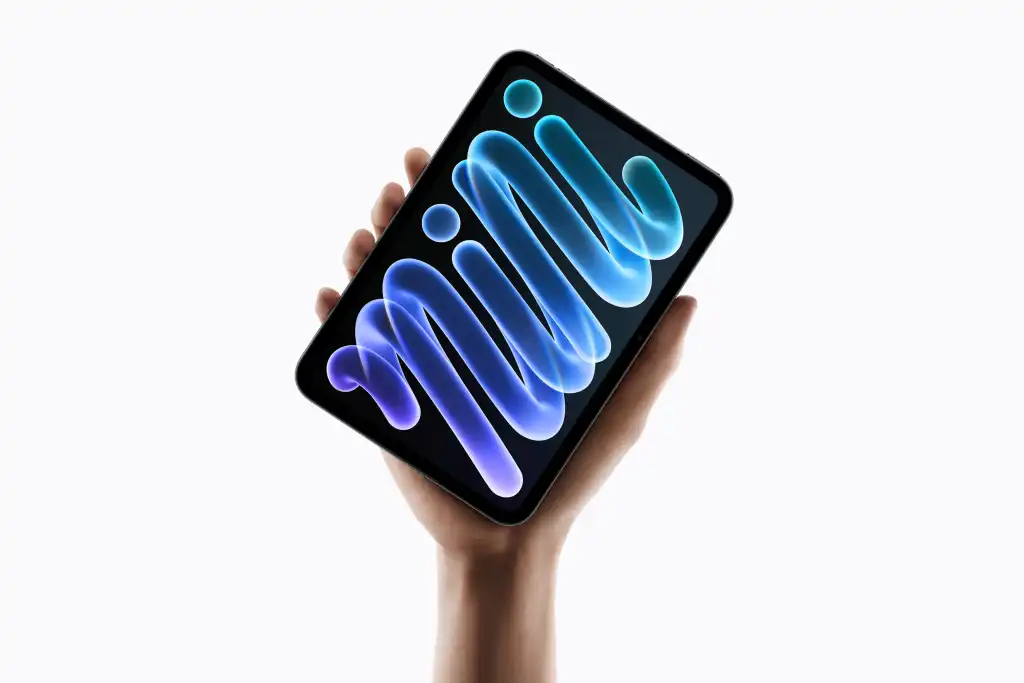
Unlike the first six models in the series, which were labeled by generation, the last two have been explicitly defined on Apple’s website by their chip, so this is officially the “iPad mini (A20 Pro).”
With the exception of the very expensive Pro models at the top of the range, iPads generally tend to be purchased by customers more interested in consuming media than performing difficult processing tasks. The chip upgrade is therefore more a matter of future-proofing the new mini and being able to handle everyday tasks several years from now. iPad owners, much to Apple’s chagrin, tend to keep them for a long time.
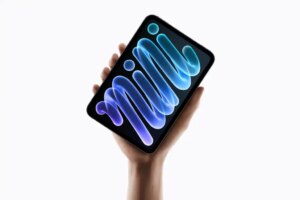
Those casual users may be asked to upgrade early via equally important updates to the mini’s display. Movies and TV shows should look better on this hardware, which is slightly larger and promises substantially better image quality.
The iPad mini A17 Pro had an 8.3-inch “Liquid Retina” LED display with a resolution of 2266 x 1488 and a maximum brightness of 500 nits. The A20 Pro mode improves on those specs in every way, with 8.5 inches, a “Super Retina As for brightness, the new mini is capable of reaching a maximum standard brightness of 600 nits and can reach a maximum brightness of 1200 nits in HDR content.
OLED is the main upgrade there. The technology offers deeper blacks than LEDs, richer and sharper colors and better handling of HDR content. On top of that, the new mini offers the option to add nano-textured glass to the screen, something that was previously restricted (at least in Apple’s tablet range) to the iPad Pro. It’s not offered on the current iPad Air or the standard iPad. It’s only available in 256GB and 512GB models and costs an additional $100.
Aside from the chip and screen, the mini’s third major improvement is its design. Despite the inclusion of a larger screen, its length and width are virtually identical to the previous model (they’ve actually shrunk a bit, from 195.4 x 134.8mm to 195.3 x 132.6mm), but the device is much thinner (from 6.3mm to 5.4mm) and significantly lighter (from 0.65lb/293g to 0.56lb/255g). Simply put, the mini is now more portable than ever.