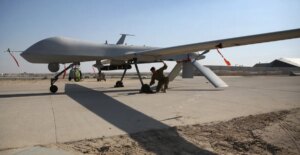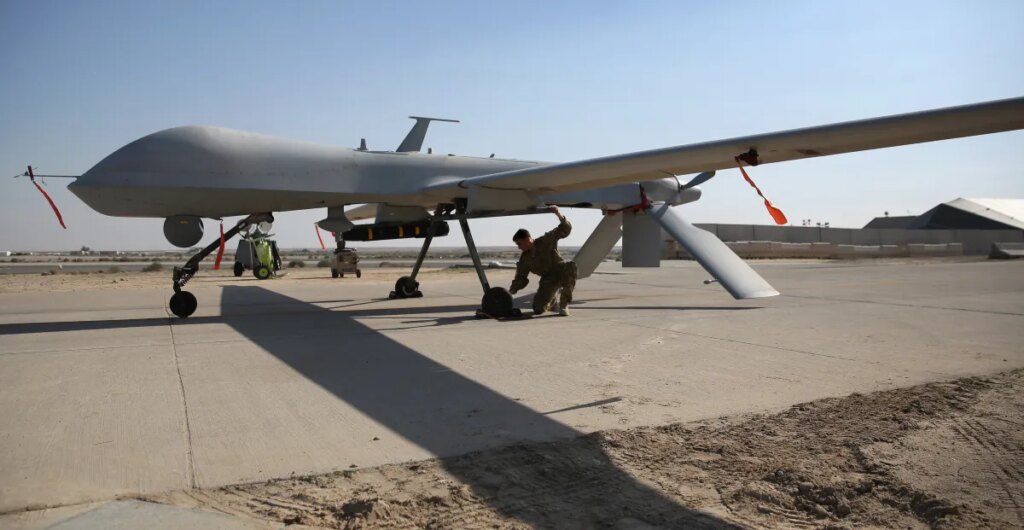
One of the topics on the agenda at the meeting of UN diplomats in Geneva this week was working on rules regarding the use of autonomous weapons, or so-called “killer robots.” Ultimately, representatives left the meetings agreeing to “begin discussing options” after a week of largely unsuccessful negotiations.
Before negotiations began, the International Committee of the Red Cross, guardian of the Geneva Conventions, said it was urgent to draft legally binding rules within a year. That call was supported by the Secretary General of the UN and by Pope Leo.
The compromise reached was that countries would instead have two years to propose regulations. Negotiations between countries over what regulations to adopt and how to enforce them will likely drag on well beyond that. In addition, room was left for some of those yet-to-be-adopted regulations to remain “optional.”
Humanitarian organizations and some countries see the need to urgently adopt legally binding standards, as semi-autonomous weapons and drones have been responsible for a significant number of civilian deaths in conflicts around the world, including in Ukraine, Gaza and Sudan.
According NPRRussia, Israel and the United States turned out to be the main obstacles:
On the first day, Russia delayed proceedings by objecting to the meeting agenda. The United States then proposed a five-year window to discuss optional, non-binding guidelines for autonomous weapons.