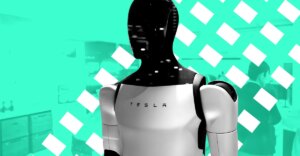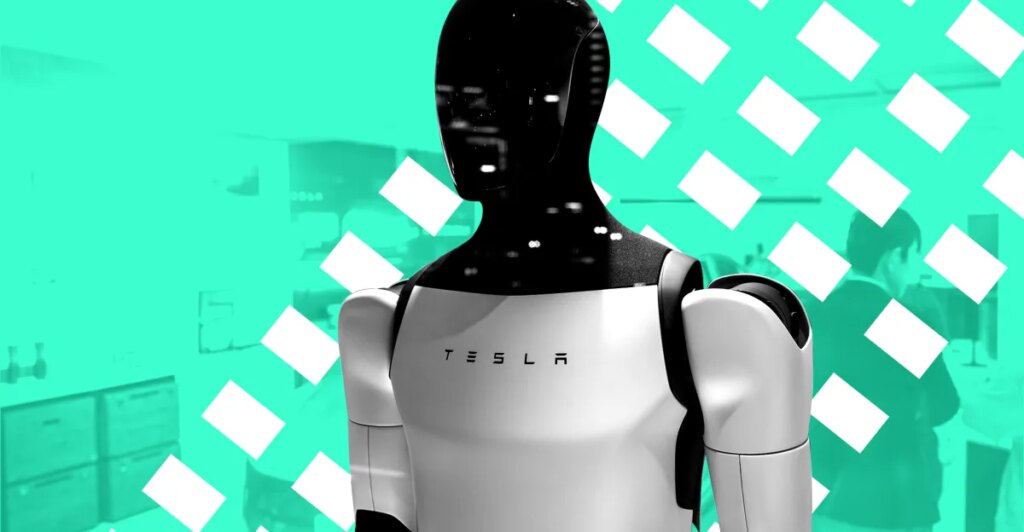
Reaching its goal of manufacturing 20,000 Optimus robots per week is proving difficult for Tesla. The information reports that Tesla produced “several hundred robots per week” last month, after repurposing its Model S and Model X production lines for Optimus earlier this year. However, this strategy is said to be creating manufacturing drawbacks, such as problems aligning parts precisely, as The information notes: “Not only are the Optimus production lines new, but the Optimus parts are much smaller and have to fit together much more precisely than automobile parts.”
It reports that even on the Optimus “V3” robots it is currently producing, the hands and forearms “have over 100 screws and other small components that currently require a worker to assemble them manually.” These robots are lighter and have more cameras than previous versions, but they lack a “sensor glove” currently in development that will improve durability by making it easier to replace the touch sensors without having to change the entire hand.
Optimus has faced delays for years, even as Tesla CEO Elon Musk has made bold promises about it, saying Optimus will be Tesla’s “biggest product ever.” However, for the moment they continue to be used internally for specific tasks in limited areas, and not in a generalized way or with remote teleoperation. Tesla also reportedly plans to lease the robots initially rather than sell them, and use the training data collected to improve them, but it will have to get them out into the world first.