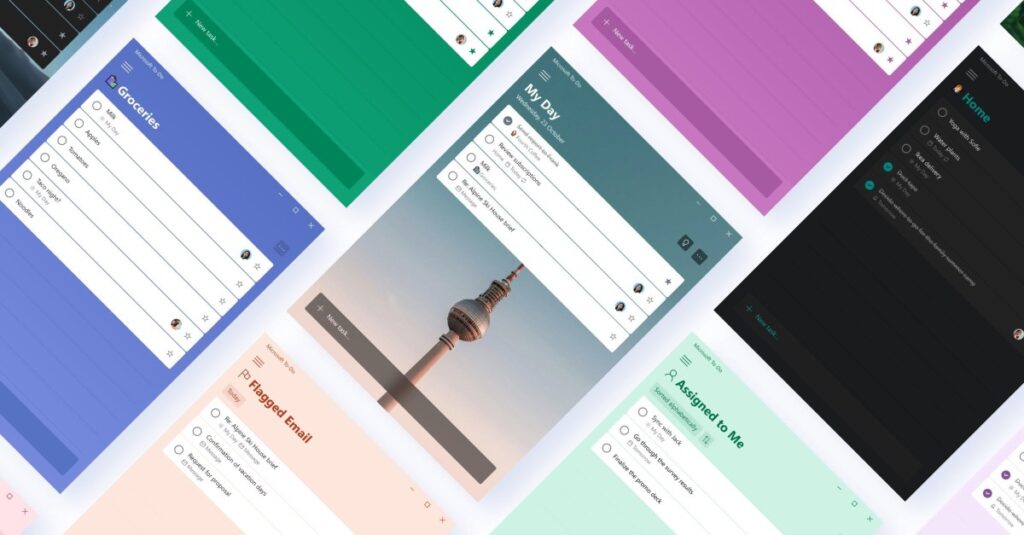
In 2015, Microsoft acquired a to-do list app called Wunderlist, for a price rumored to reach $200 million. Wunderlist fans were worried that Microsoft would make their beloved app corporate and soulless, or worse, hide it behind some complicated enterprise subscription. But against all odds, Microsoft was a good manager: the app became Microsoft To Do, but it remained a useful and powerful way for people to manage their tasks across platforms.
Now Microsoft is pulling the rug out. Buried deep in a blog post about “unified tasks and plans for Copilot and Microsoft 365” is the news that To Do apps will “retire” on June 30, 2027. The transition will be painful: Starting next summer, business users will need to use the Planner app for their tasks, but Microsoft won’t migrate their tasks automatically. And personal users, well, don’t let the door hit you. “Customers using personal Microsoft accounts will need to choose another app,” the blog post reads.
From a certain strategic point of view, you can almost see how this makes sense. (Microsoft has not responded to a request for comment.) It’s definitely true that Microsoft’s project and task management offerings are overly complicated; To Do and Planner have some overlapping features, and you can use half a dozen different Microsoft apps to manage your daily tasks. Microsoft has been hinting that everything will be under the Planner banner for some time, and as Microsoft tries to impose Copilot on everything you do at work, bringing all that stuff together in one place makes more sense.
(“More sense” can be relative. When your blog post contains phrases like “Plus, this unified platform makes it easy to access Planner through Copilot, Cowork, and Autopilot because it’s all part of Work IQ,” you still have work to do.)
It’s also another sign that Microsoft is simply giving up on the idea of creating software that people use outside of work. Planner isn’t available through a personal or family Microsoft 365 account, so you can’t switch if you want. Not that you necessarily did: a lot of people liked To Do specifically because it was a to-do list, not a project management platform. Planner is a business tool for business users, managed by IT professionals and overseen by big bosses.
Planner is also, in many ways, not that good of a platform. It doesn’t have a dedicated desktop app (you have to use it on the web or through Teams or Outlook) and it’s missing some of To Do’s useful syncing and sharing features. Microsoft doesn’t promise to spend the next six months closing those gaps, or even offer to help people export their data and move on. The company is simply getting out of the business of helping everyday people manage their days and leaving users in the lurch.
If you’re suddenly looking for a new to-do list, the good news is that there are plenty of good options. Todoist and TickTick are the two stalwarts in the space, offering much of the same ubiquity and simplicity as To Do (although I agree with all the commenters on Reddit and the Microsoft blog who say To Do’s interface was better than either). Google Tasks is being integrated into Google’s own office suite. The vibration coding revolution has also persuaded roughly every person on the Internet to create their own to-do app, so you’re spoiled for choice. At this point, there’s apparently only one company left that doesn’t want you managing your days and tasks on their systems, and that’s Microsoft.