The key to its success will be the newly revamped Siri AI, which adds granular control over apps. By adding those features now and allowing developers to add support on the iPhone first, hopefully their smart glasses can hit the ground running.
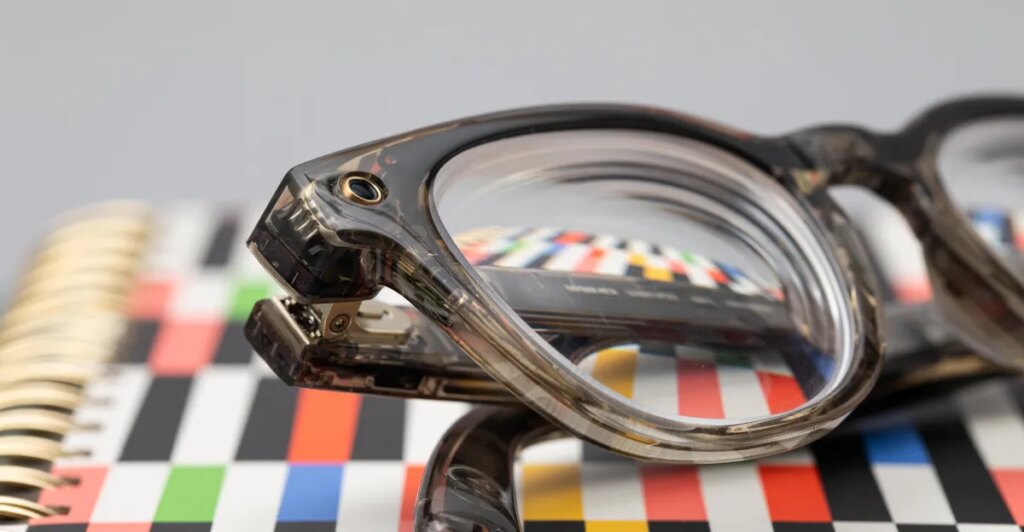
The prototypes, called N50, currently run a stripped-down version of visionOS and a new processor based on its older smartwatch chips. They also have a MagSafe-type charger that Gurman describes as “flat, rectangular” and “about the size of a Tic Tac,” which can be used even with glasses on.
In addition to Apple’s emphasis on style, privacy and audio quality, the company also hopes that Wi-Fi connectivity will give them some freedom, despite relying on an iPhone to perform many tasks:
The glasses have Wi-Fi, allowing certain functions outside of third-party apps to continue working when the iPhone is not nearby. In theory, users could continue listening to audio over Wi-Fi after walking away from their phones, for example, although the glasses won’t work as a fully independent device. Apple is also emphasizing sound quality, which employees say is industry-leading, with support for phone calls, music playback, and FaceTime audio communication.