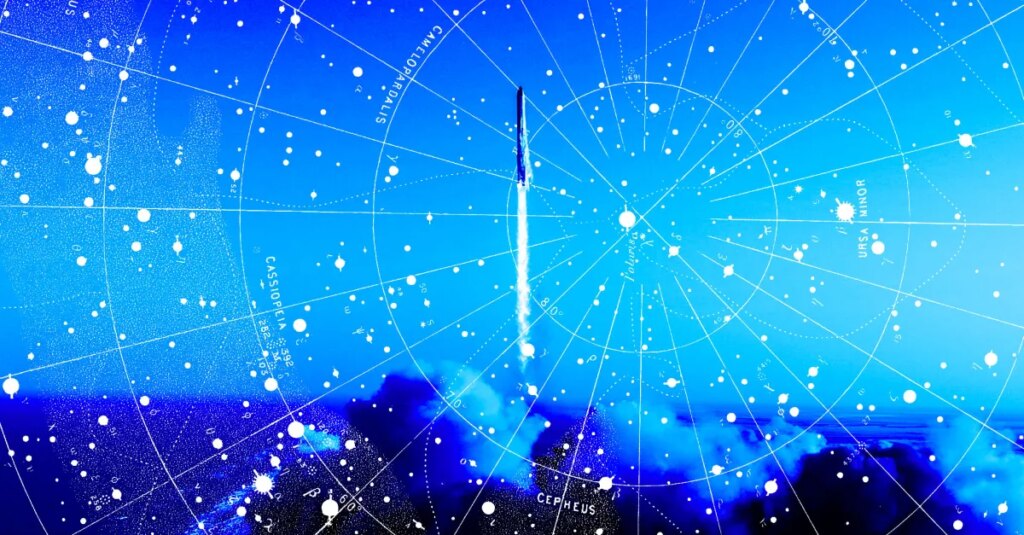
SpaceX is preparing for a monumental flight today that is sure to be closely followed by Amazon. If successful, SpaceX will deploy its first Starlink V3 satellites, touting significant upgrades to the ever-expanding Starlink constellation. All 26 satellites will travel atop Starship, which SpaceX will also attempt to deploy into Earth orbit for the first time. The mission comes amid Amazon’s continued setbacks with launch partners that keep their own Leo satellites on the ground and are falling further behind in their plan to offer a significant rival to Elon Musk’s space internet service.
Twelve weeks have passed since Amazon’s last successful deployment of Leo with 29 satellites launched into orbit aboard United Launch Alliance’s (ULA) Atlas V rocket on July 2. That brings the total of satellites launched by Leo to 396, well below the more than 11,000 satellites Starlink currently has in operation, or even the 552 Starlink satellites that have been launched since July 2. After its latest release, Amazon Leo’s director of release systems, Melissa Wuerl, said the company had “a clear path to increase the cadence of release and deployment,” but that evidently hasn’t happened.
The problems affecting Leo’s launch partners are largely to blame for the setbacks. Vulcan, ULA’s successor to the soon-to-be-retired Atlas V rocket that Amazon has relied on, has been grounded by the US Space Force since February 2026 following a booster anomaly that is still under investigation. Blue Origin, the space company owned by Amazon founder Jeff Bezos, has a similar contract to launch Leo satellites, but its New Glenn rocket has also been grounded since its only launch pad was destroyed in May.
All of this begs the question: when will Amazon next expand its Leo constellation? The service is only in its early stages and has already received an extension of its deadline from the FCC to launch half of its planned 3,232 satellites, which came with the condition that the company must act quickly. Amazon previously said the nearly 400 satellites it has in operation are enough to activate a limited version of its internet service, but the “mid-2026” deadline it set for commercial availability passed without an update. At this rate, it will be years before Leo can seriously compete with Starlink globally.