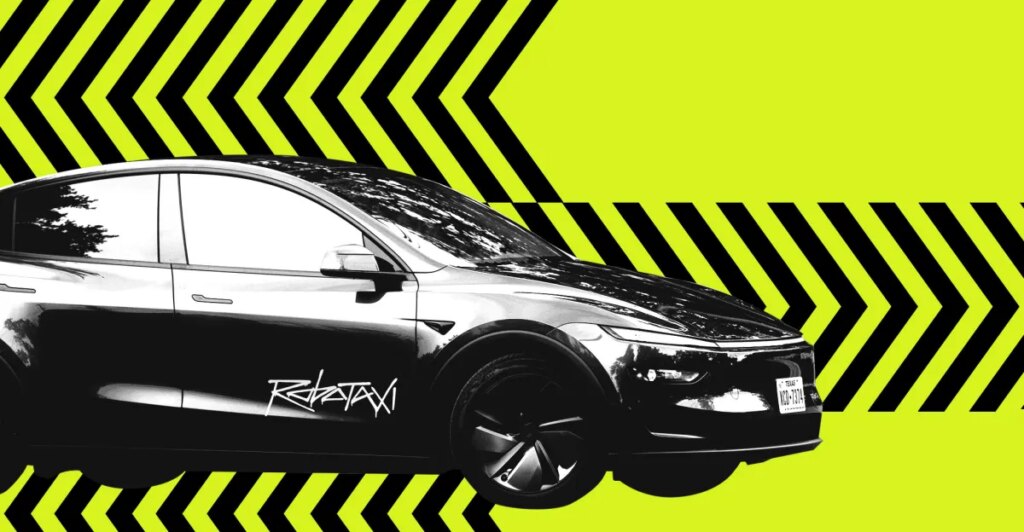
For years, Elon Musk has been making big promises to Tesla owners about unattended autonomous driving and the ability to add their own vehicles to the company’s robotaxi fleet. During today’s third-quarter earnings conference call, the company finally gave itself a target date.
According to Tesla’s vice president of autonomous driving, Ashok Elluswamy, Tesla owners will be able to add their own vehicles to the company’s robotaxi fleet in the second quarter of 2027. Here’s his exact quote (emphasis added):
As I mentioned above, the software for Cybercabs and Model Y is the same. And very soon we will be able to release the same software as part of the V15 release to customers. The only additional requirement is to ensure that, for example, the customer’s Model Y can be part of Tesla’s geofencing and fleet management to be fully autonomous. We suspect that around the second quarter of next year we will be able to power up some of the first customer vehicles that will be part of the robotaxi fleet.
It’s important to mark this deadline because Tesla will likely miss it. When it comes to autonomous driving and robotaxis, Musk has a pretty clear pattern: He sets bold, short-term deadlines that end up years away, or never happen. Still, Tesla has made steady, incremental advances in the technology behind its consumer driver-assist features. But the long-promised goal of “unattended” full autonomous driving remains unfulfilled.
In 2019, Musk took the stage at the company’s first AI Day and promised that customer-owned vehicles could be used as part of a “Tesla Network” of robotaxis, generating passive income for their owners as they drive autonomously in search of fares. He compared it to Uber or Airbnb. Musk also said that by 2020, a “million” Tesla robotaxis would be on the roads.
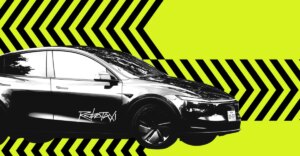
So far, none of the promises have come true. Tesla has a few hundred Robotaxis in Texas and Florida, some of which still have human safety monitors. It also has several dozen fully autonomous Cybercabs in Austin.
Still, FSD growth was a bright spot in Tesla’s earnings this quarter. More people buying new Teslas in North America are opting to add fully autonomous (supervised) driving, the company reported. More than 75 percent of new buyers chose this feature this quarter, a huge jump of almost 20 percentage points compared to last quarter. Still, Tesla’s vehicle sales fell this quarter as revenue stagnated and profits fell.
But even if Tesla opens its robotaxi fleet to customer-owned vehicles, significant regulatory hurdles remain. Unsupervised autonomous travel requires specific state and local regulatory permits. It can be difficult to get insurance. And in most places, it remains illegal for individuals or third-party companies to use their own autonomous vehicles as driverless taxis or passenger transport.
There is also tension between different types of Tesla owners. Older Model 3 and Y vehicles without the latest sets of self-driving hardware (or AI computing infrastructure) are limited by hardware capability. Dedicated vehicles like the Cybercab are built specifically for driverless passenger service, while consumer vehicles require additional software layers to ensure safety without human intervention.
Tesla could be confident that it will be able to overcome all technical and legal obstacles by the second quarter of 2027. But history says this could easily become another deadline that is quietly passed.