A brave new (old) world
This requires a bit of context. Look, I’m an Android guy. I started my tech journalism career on Android-focused sites, back when smartphones were still the hottest, newest technology on the planet and tons of people were obsessed with every new model. One of the most interesting parts of Android was the ability to modify the software quite easily. You could “root” them to gain access to all the details, or even load your own custom open source operating system, colloquially called a ROM.
I have tried all these types of Android custom ROMs.
Several
Rooting and ROMs still exist in the Android world, but they have fallen by an order of magnitude since the glory days of 2010-2015. Partly because phones are much more locked down, apart from some where open access is a feature, like Google’s Pixel line or the Fairphone. But mostly it’s because phones are powerful and flexible enough to do pretty much anything you want now, without the need for risky or specialized modifications.
I installed an AOSP-based ROM on my Barnes & Noble Nook Color e-reader to turn it into one of the first full-power Android tablets. But I can’t remember the last time I looked at an Android phone’s bootloader, despite having tried dozens (maybe hundreds!) of different ROMs in the past.
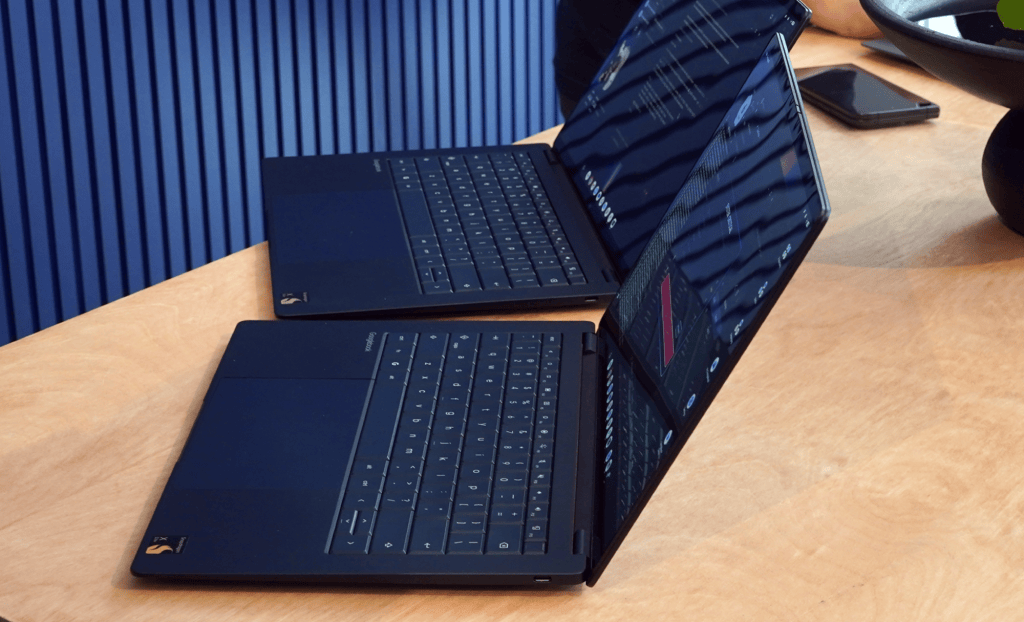
Googlebooks are, at least in the purest technical sense, laptops with the Android operating system. They are running Intel and Qualcomm chips; in fact, some of the same ones that power Windows laptops. But Android software is based on open source code, although Google is reluctant to support it these days. That means it should be possible, if not easy or simple, to modify it. At the New York event I asked several representatives from Google and its hardware partners if they would allow users to wipe laptops and install Windows, and they didn’t have an answer ready for me.
Foundry
Fast forward to this week and we have confirmation via Google support that Googlebooks will arrive with an unlockable bootloader. For those of you who have never delved into an XDA forum to find a Gapps ZIP that will work with your modified version of CyanogenMod, that means you should be able to load custom ROMs.
That has the nerdiest part of my soul extremely excited. Custom ROM developers advanced the early years of Android in ways that might be invisible to those outside of that particular niche. Google, Samsung, and others apparently took direct inspiration from the ways developers tweaked their software to improve it, particularly in terms of user interface and performance.